
Over the past year and a half, the CTTÉI and its partners have taken up the challenge of transforming thrift store surpluses into insulating panels for the construction industry.
This project was made possible thanks to funding from: RECYC-QUÉBEC, TechniTextile and Caisse Desjardins Pierre-De Saurel, and the participation of CHROMA Conseil, Marie-Josée Loiselle de NunoID, Recyclo-Centre, Nature fibres, General Recycled, Groupe CTT, Kemitek and SEREX.
A high-volume outlet
The main objective of the project was to assess the technical and economic feasibility of an alternative outlet to the export and disposal of surplus second-hand goods: post-consumer textile (PCT) insulation board for the construction sector. To achieve this, the project was implemented in the following stages, in collaboration with various partners:
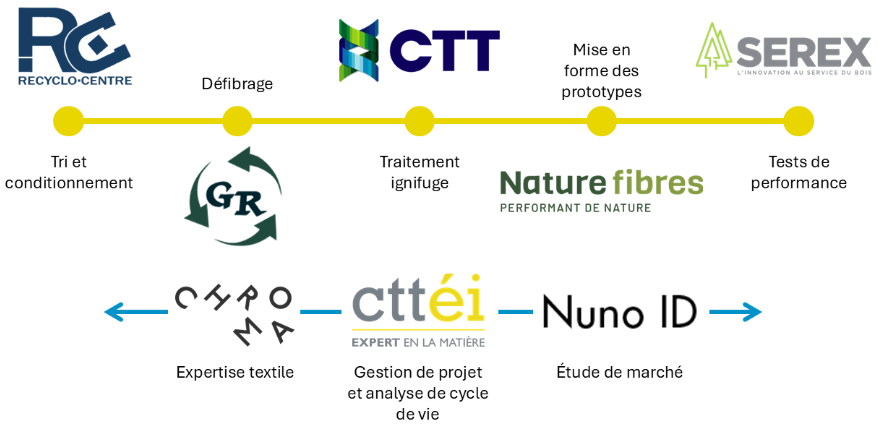
FIGURE 1 Step-by-step process and project team
The results
The project brought together the research, manufacturing and financial partners needed to develop prototypes of three panels:
- TPC50: 50% TPC + 50% hemp
- TPC80: 80% TPC 20% hemp
- TPC100: 100% TPC
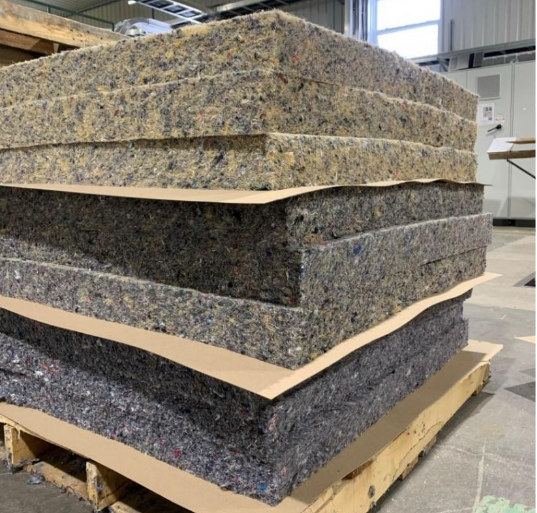
FIGURE 2 Results of the three prototypes: TPC50, TPC80 and TPC100
The CTTÉI carried out a life cycle assessment (LCA) comparing four types of insulating panels: rock wool panel(LR) [1], Nature fibre hemp panel(NF), TPC50 panel and TPC100 panel. The aim of the analysis was to compare the life-cycle impacts of products currently on the market with those of prototypes. To ensure a fair comparison, the avoided end-of-life management of TPC in the TPC50 and TPC100 scenarios was considered. The functional unit on which the calculations and impacts are based is: a 1m2 insulating panel with thicknesses providing thermal insulation of 1m2*K/W over its useful life in Quebec.
According to the results of the analysis, the TPC100 scenario has lower impacts than the other scenarios for the majority of the environmental indicators assessed1. For example, the climate change indicator, which corresponds to the carbon footprint, shows that, even without considering the avoided end-of-life impacts of TPC, the TPC50 and TPC100 scenarios generally have a lower carbon footprint than the LR and NF scenarios. Increased substitution of hemp by TPC is therefore generally associated with a reduction in environmental impacts.
SEREX then tested the three panel prototypes for performance. The results of the thermal performance tests confirmed that the TPC100 panel samples had the best R-value, comparable to those of commercial products such as cellulose wadding and glass wool. Absorption and sound transmission loss test results are also comparable to products on the market for all three prototypes. However, while the results of the fire resistance tests show that the panels meet the flame propagation criteria, this is not the case for the smoke development criteria. In addition, fungal resistance tests revealed the presence of mold on all three panel formulations. The addition of an antifungal agent should therefore be studied to limit fungal growth, and the flame retardant should also be adjusted.
Finally, the objective of assessing the technical and economic feasibility of producing an insulating panel based on TPC for the construction sector was achieved. The project identified two main technical obstacles: the presence of dust in defibered CPT and the variability in the composition of CPT from thrift store surpluses. Secondly, the main economic obstacles to prototype production are the stages of fireproofing, defibration, manual sorting and preconditioning of TPC fibers.
In the next stage of development, it will be important to identify and analyze a range of equipment that can remedy some of the obstacles identified in this initial panel design. Moreover, the project confirms the need for pilot-scale equipment for market research and development projects.
